The Rise of Virtual Influencers: Next-Gen Marketing Trends

With the rapid advancement of digital technologies and social media platforms, virtual influencers have emerged as a transformative force in modern marketing. From AI-powered hosts in e-commerce livestreams to highly engaged synthetic personalities across social platforms, the dynamics between brands and consumers are undergoing a fundamental transformation. This article examines the impact of virtual influencers in marketing and explores strategies for leveraging this innovative trend.
1. Understanding Virtual Influencers
Virtual influencers are AI-generated characters that engage with users across social media, livestreaming platforms, and Metaverse environments.
- AI-Powered Digital Personas: Through advanced deep learning and image synthesis, virtual influencers maintain realistic appearances and interactive capabilities, enabling real-time engagement with followers.
- Multi-Platform Presence: From Instagram and YouTube to immersive VR/AR platforms, virtual influencers seamlessly navigate multiple digital channels, rapidly building engaged communities.
2. The Appeal of Virtual Influencers
Unlimited Creative Potential Unlike human influencers, digital avatars offer unprecedented flexibility in appearance, style, and personality. Brands can create precisely tailored personas that resonate with specific target audiences.
Risk Mitigation While human influencers may face personal controversies that could impact brand reputation, virtual influencers can be carefully designed and controlled to maintain consistent brand alignment and avoid potential pitfalls.
Continuous Engagement Powered by advanced AI algorithms and chatbots, virtual influencers maintain round-the-clock interaction with followers, enhancing engagement and brand loyalty.
3. Practical Applications of Virtual Influencers
- Product Endorsements and Social Campaigns
By endorsing products, hosting live unboxings, and interacting with fans on social media, virtual influencers can achieve promotional results comparable to—if not exceeding—human influencers. - Metaverse Events and Livestreams
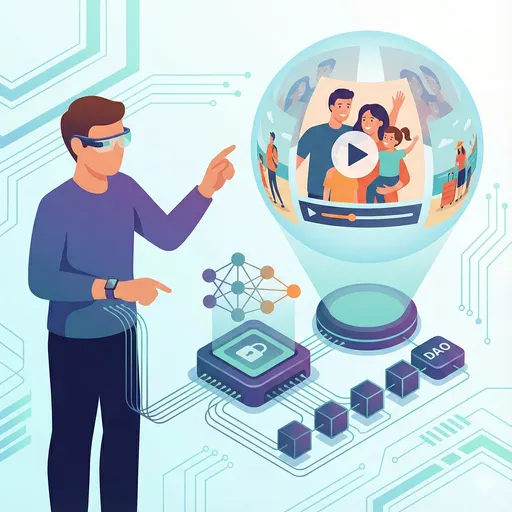
As the concept of the Metaverse gains traction, virtual influencers can host concerts, fan meets, or product launches in virtual worlds, offering brands a boundary-pushing global platform. - E-Commerce and Ad Placements
Integrating virtual influencers with intelligent ad placement systems like DSP, SSP, CDP, and AdExchange allows for more precise targeting. Through big data analytics, brands can continuously refine and enhance their marketing performance.
4. How Hiverz Helps Brands Build Virtual Influencers
AI Virtual Human Generation System
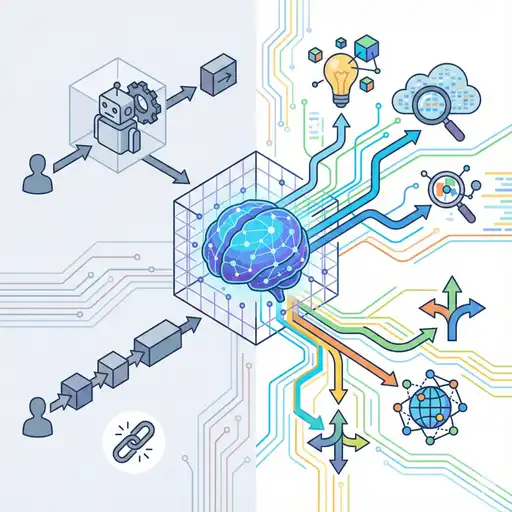
Hiverz offers an AI platform to quickly develop digital personas aligned with brand identity, including appearance, voice, and personality traits. Real-time content or video generation capabilities ensure dynamic, engaging performances.Multi-Source Data Behavior Analysis
Hiverz's multi-source data integration platform enables deep insights into fan and consumer behaviors—covering e-commerce, social platforms, invoice data, telecom, and more—facilitating highly targeted virtual influencer marketing strategies.Omnichannel Marketing Support
Combining an intelligent ad delivery system and a subscription-based O2O e-commerce service, Hiverz ensures virtual influencers can interact with target audiences across multiple touchpoints. Short-link tracking technology further allows brands to measure real marketing outcomes.
5. Future Development Trends
- More Realistic AI Interactions
As NLP and image synthesis technologies advance, virtual influencers will communicate with increasingly authentic speech patterns and emotional expressions, resembling real human interactions. - Cross-Industry Collaborations
Beyond entertainment and e-commerce, virtual influencers could play roles in education, healthcare, finance, and other sectors, offering promotional and communication value. - Metaverse Ecosystem Integration
Virtual influencers will form alliances with other digital assets (e.g., NFTs, virtual goods), creating a comprehensive brand ecosystem and new marketing opportunities.
Conclusion
The rise of virtual influencers highlights the enormous potential for next-generation marketing models. Whether through Metaverse livestreams, product unboxings, or social engagements, virtual influencers offer brands and consumers fresh experiences and interactive channels. For businesses aiming to stay at the cutting edge of digital marketing, embracing virtual influencers not only generates buzz but also deepens brand resonance and broadens market influence.