How AI is Transforming Marketing

As we enter an era of immersive technology, AI has transcended its traditional boundaries, pioneering revolutionary marketing frontiers. This article explores how AI-driven marketing operates across neural, conscious, dream, and cellular levels, creating unprecedented engagement and value for both brands and consumers.
1. Neural Perception Marketing
Modern marketing transcends conventional sensory channels to establish direct neural interfaces with users through neural perception technology. AI capabilities include:
- Real-Time Emotional Analysis: Through brainwave and neural signal monitoring, AI can determine users' emotional states and dynamically adjust advertising content and product recommendations.
- Emotional Response Optimization: During content delivery, AI tracks neural feedback to fine-tune visual elements, audio, and narrative pacing for maximum engagement.
This fusion of human cognition and machine intelligence enables brands to create deeply personalized, emotionally resonant experiences.
2. Dreamscape Advertising
With breakthroughs in sleep and neuroscience, AI can now guide or create specific dream scenarios during deep REM sleep:
- Customized Dreamscapes: Users can "experience" a product or service in their dreams, embedding powerful brand memories into the subconscious.
- Nightmare Prevention: AI closely monitors neural signals for heightened stress or anxiety, pausing dream interventions to maintain sleep quality.
- Post-Wakeup Reinforcement: Upon waking, subtle prompts or notifications reinforce dream-related brand impressions, offering tailored discounts or follow-up actions.
This approach transcends traditional waking-hours marketing, tapping into an intimate and often unexplored dimension of human experience.
3. Collective Consciousness Marketing
Leveraging advanced quantum computing and global "consciousness networks," AI can synchronize the emotional and cognitive feedback of millions—or even billions—of users:
- Synchronized Emotional Connections: Each user's real-time emotional feedback is aggregated in the cloud, allowing brands to gauge worldwide sentiment toward an event or product instantaneously.
- Rapid Group Feedback: Marketers can adapt to the global audience's emotional temperature within seconds, quickly iterating campaign strategies.
- AI-Led Creative Generation: By harnessing this massive collective dataset, AI can instantly produce product concepts, ad materials, or strategic ideas that align with the majority's preferences.
Brands and users co-create in this unified awareness, marking a shift from one-sided advertising to true collective collaboration.
4. Holoreality Marketing
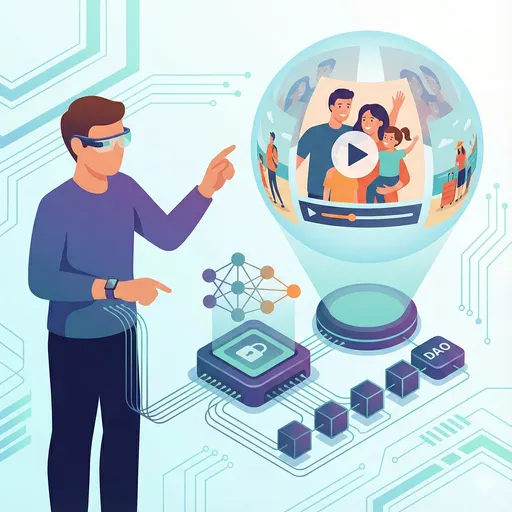
As Metaverse technology matures, AI uses holographic projections and sensors to merge digital and real worlds seamlessly:
- Outdoor Holographic Displays: City streets, malls, and landmarks become stages for marketing showcases, where virtual characters or product demos appear in 3D and interact with passersby.
- Dynamic Environment Sensing: AI continually adapts ad elements based on weather, traffic, or crowd density, delivering engaging, context-specific experiences.
- Instant Transactions & Fulfillment: If users are interested in a holographic showcase, AI provides immediate purchase options, supported by 3D printing or logistics networks for rapid, on-demand delivery.
Holoreality Marketing blurs the boundaries between the physical and the virtual, elevating user engagement and driving new revenue streams.
5. Self-Learning Marketing Avatars
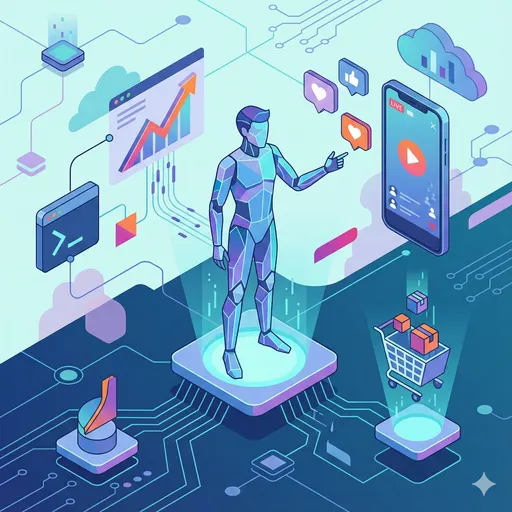
Each individual can now have an AI-driven avatar that represents their preferences, budget, and values—negotiating or filtering marketing offers on their behalf:
- Autonomous Negotiation: Avatars actively discuss deals with brands or e-commerce platforms, securing personalized discounts or custom services.
- Ad-Block & Relevancy Filtering: Users see only meaningful promotions aligned with their interests and spending habits, as avatars block irrelevant or intrusive ads.
- Co-Creation: These avatars can collaborate with brand AI systems to produce tailor-made copy, designs, or event concepts—fully personalized to each user's tastes.
This individualized intermediary boosts consumer decision-making efficiency while enabling hyper-precise brand outreach.
6. Cellular-Level Health Marketing
AI-driven marketing has permeated human biology and genetics, thanks to real-time cellular monitoring and biometric technologies:
- DNA-Based Product Development: AI formulates specialized nutrition or wellness plans by analyzing an individual's genetic data and lifestyle.
- Instant Health Boost Incentives: If the system detects imbalances (e.g., elevated glucose or fatigue), it recommends healthy meals or exercises, paired with dynamic discounts to encourage action.
- Emotional & Physical Integration: AI tracks mood as well as physical health. When stress levels rise, it sends comforting messages and actionable health tips—transforming marketing into holistic life support.
By aligning brand initiatives with real-time biological data, marketing becomes a more meaningful, personalized part of daily well-being.
7. Conclusion: Co-Creation as the Future of Marketing
In today's hyper-advanced landscape, AI marketing transcends conventional boundaries, converging neuroscience, collective consciousness, holistic health, and cutting-edge creativity. These "futuristic" use cases are not mere science fiction, but a reality shaping how brands and users interact. Marketers and businesses that adopt these forefront technologies—while respecting privacy and enhancing user experience—will stand out in a new era defined by collaboration, personalization, and meaningful impact.